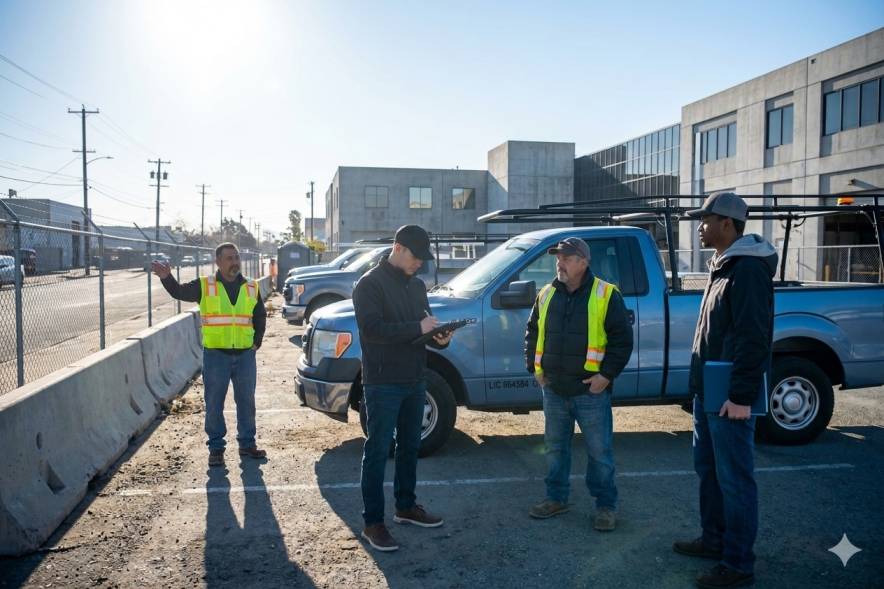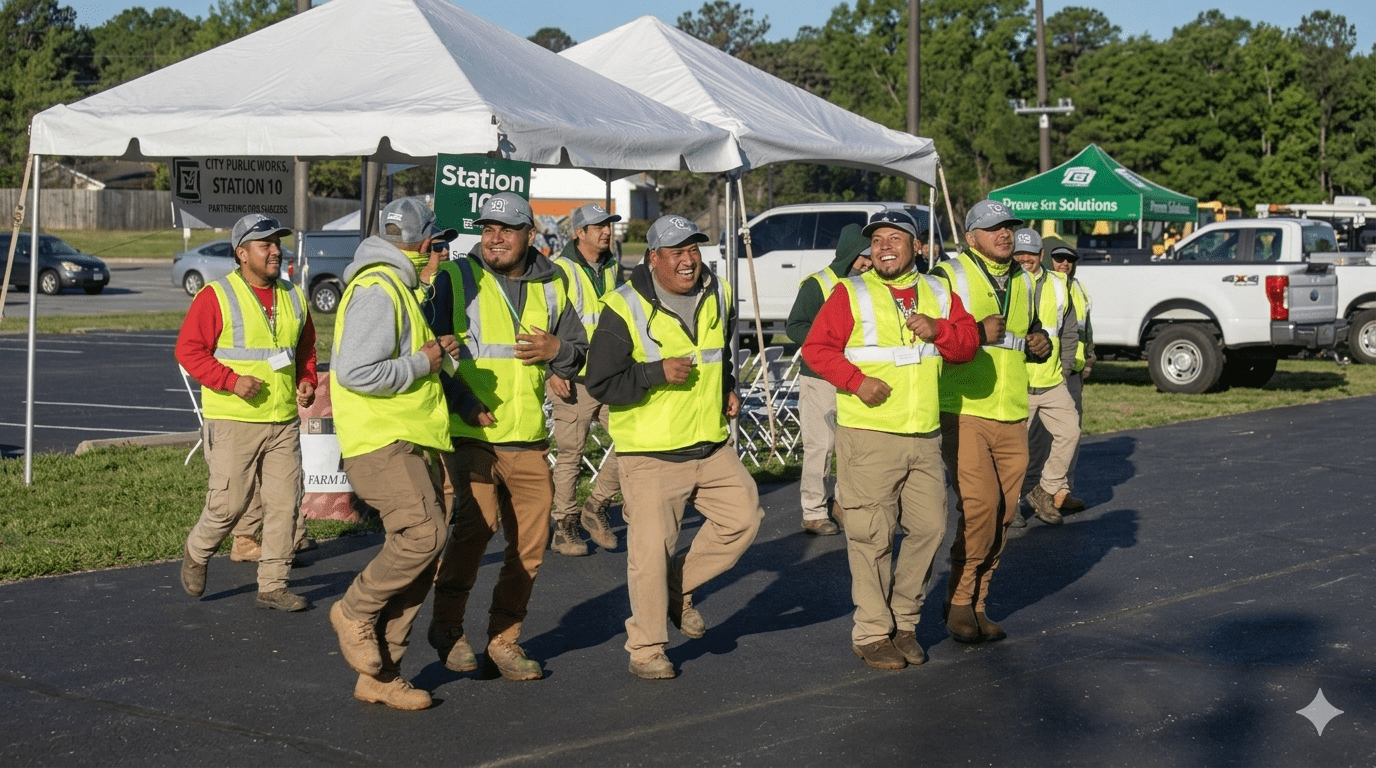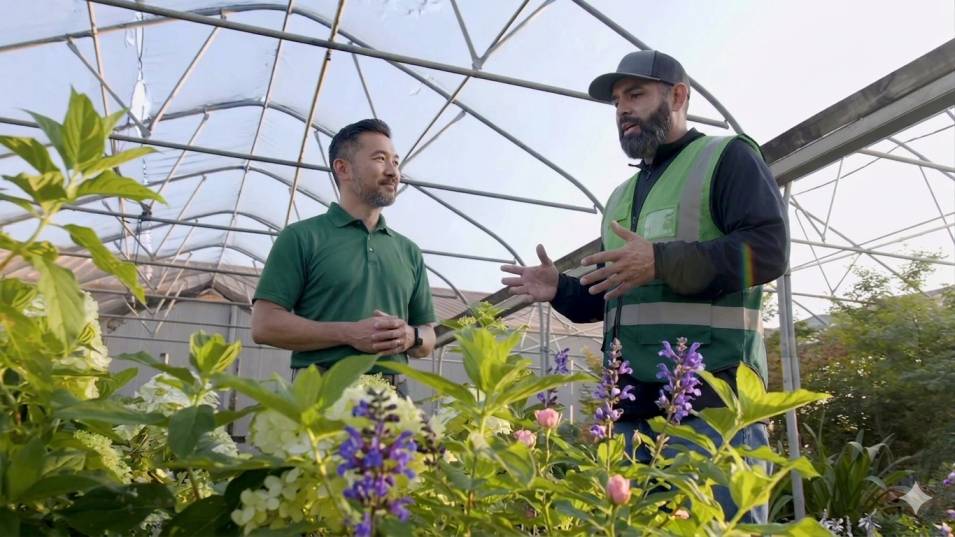

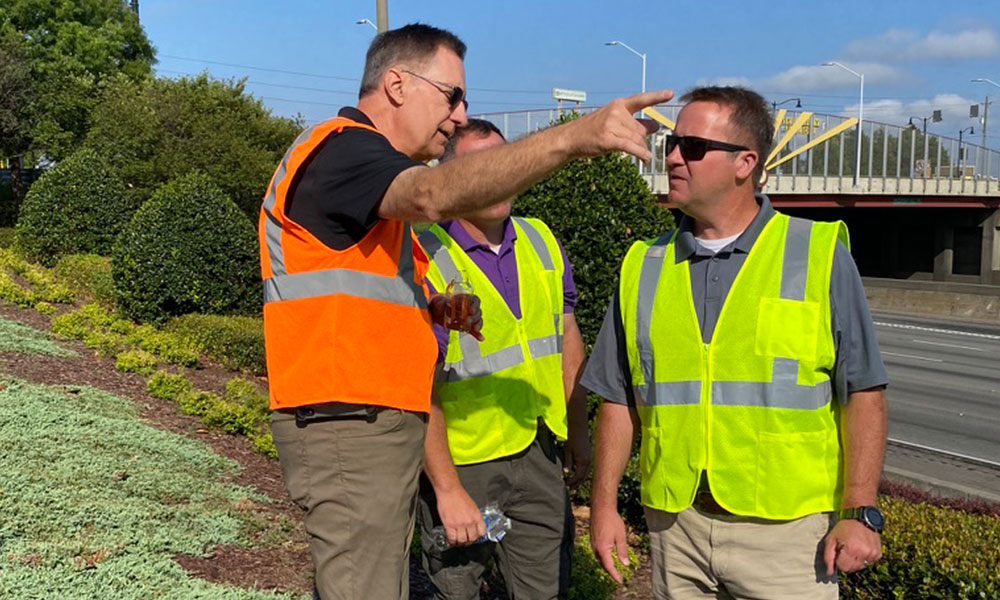
The value we deliver happens in the field, on our customers’ sites. Unfortunately, the more you advance, grow, and mature in this industry, the further away from the field you get. If you advance high enough, the only field exposure you get is what you can see from the conference room window.
But that doesn’t change the fact that most of the value, risk, and opportunity in your landscape business lives in the field. The sites where your crews work every day are where client relationships are won and lost, where quality standards are upheld or ignored, where safety incidents happen or don’t, and where your brand reputation is being built or eroded – one property at a time.
As a leader, you cannot manage from the office what you cannot see from the field. Getting out of the building is not optional – it’s a core leadership responsibility.
Why Leaders Stop Going to the Field
It’s not laziness. As companies grow, the gravitational pull of the office gets stronger. There are more emails, more meetings, more decisions requiring the owner’s or manager’s input. The calendar fills up with internal demands, and field visits get bumped. Weeks pass without a site visit. Then months.
The insidious part is that the company keeps running. Problems are reported to you. Issues get escalated. And because the business is still functioning, you don’t feel the cost of your absence – until a client cancels, a crew problem explodes, or a quality audit reveals a systemic issue that’s been building for months.
What Getting Out There Actually Looks Like
Plan to get on a site once or twice a week. Not as a surprise inspection – as a leadership presence. While you’re there, make it count. You can leverage that time in multiple ways:
- Go when a crew is on site. At the very minimum, you’ll have an opportunity to thank them. You may also have an opportunity to guide, teach, train, and coach. Walk around. The perspective is always different from the ground.
- Keep your feedback brief and prioritised. Identify the top two or three things that need attention and communicate them clearly. Don’t give a running commentary on everything you see. People grow when they receive focused, actionable input – not a list of 15 observations.
- Don’t go alone. Coordinate site visits so your operations leaders, account managers, or high-potential team members can join you. Let them hear how you see the site, ask questions, and process the experience together. This is field-based leadership development.
- Don’t react to problems by taking over. If you arrive and things are off the rails, resist the urge to fix it yourself. Help the team build a plan to get back on track, then let them execute it. Going ballistic makes people fearful and defensive. Calm, problem-solving presence builds trust.
What You Learn in the Field That You Cannot Learn Anywhere Else
There are things you can only know from standing on a site. The morale of a crew. Whether the quality standards you set in the office are actually being applied. Whether your account managers are proactive on sites or reactive. Whether your clients’ expectations are being met or simply being managed. Whether the processes you documented are being followed or ignored.
Beyond operational intelligence, field presence has a cultural impact that cannot be replicated by any report. When a foreman sees the owner or branch manager walking a site – not to catch problems, but to show up – the signal it sends about what this company values is powerful. People work at a higher standard when they know the leaders care enough to see the work.
A Practical Field Visit Framework
If field visits have been rare, build them back in deliberately:
- Block 90 minutes twice a week on your calendar for field visits. Treat it as a fixed appointment.
- Rotate through your active accounts systematically – every account should see a leadership presence at least once per quarter.
- Visit a different type of site each time: one commercial, one residential, one installation, one maintenance. Each gives you different intelligence.
- After each visit, send one short, positive message to the crew or foreman. Recognition costs nothing and compounds over time.
- Bring a notepad or phone and capture two or three specific observations. Review them weekly. Patterns will emerge.
Enjoy it. Landscaping is what this business is about, remember? Step outside, look at what your teams are building, and take a moment to appreciate the craft. It’s nice outside.
Ready to take your landscape business to the next level?
Envisor consulting works hands-on with landscape business owners to build the systems, teams, and strategies that drive real, lasting growth. If what you’ve read resonates, let’s talk. Schedule a consultation